
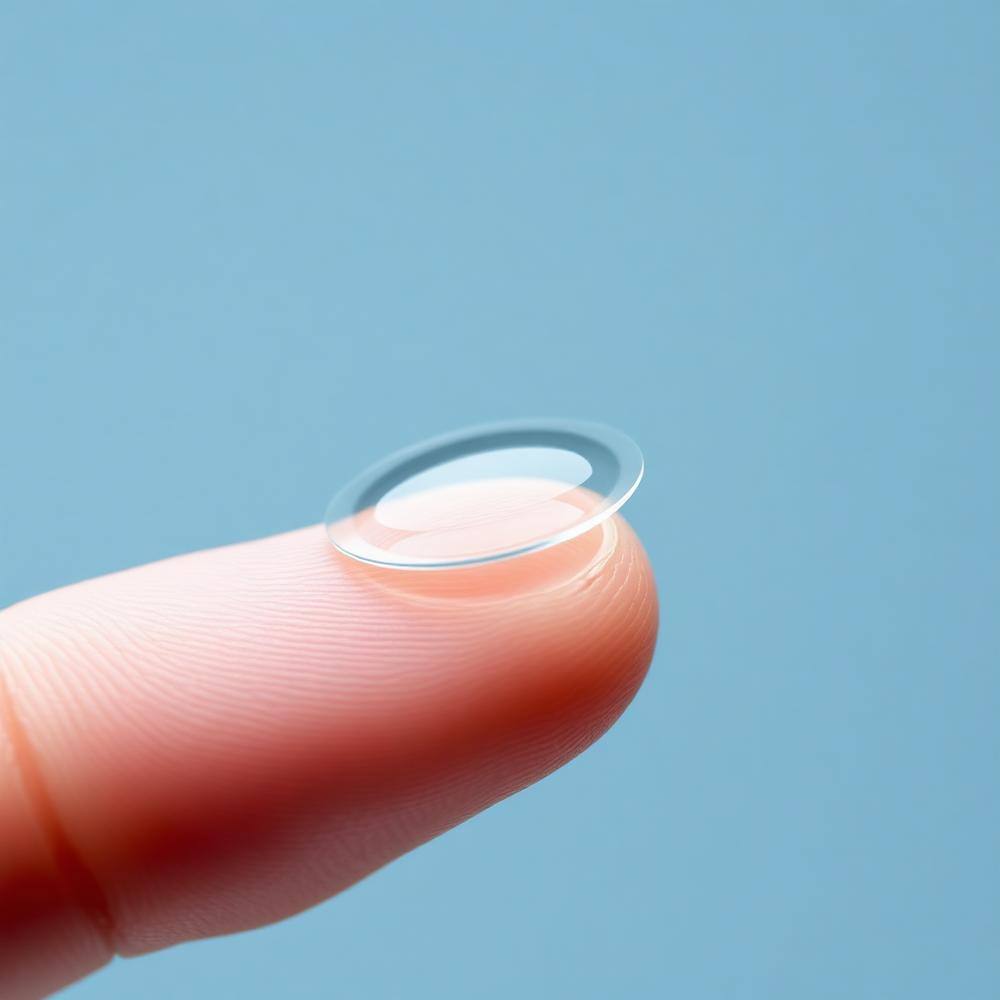
Common Types
Soft contact lenses are the most widely used option. Daily disposable lenses are worn once and discarded, while bi-weekly and monthly lenses are replaced according to their recommended schedule.
Toric lenses are designed to correct astigmatism, while multifocal lenses provide vision correction at multiple distances and can help manage presbyopia. Gas-permeable (GP) lenses are rigid lenses that can provide crisp, stable vision for certain prescriptions and eye conditions.
Wear & Care
Always wash and dry your hands before handling contact lenses. Never sleep in your lenses unless specifically prescribed for overnight wear and never expose lenses to tap water or saliva. Clean and store reusable lenses as directed, replace your contact lens case regularly, and follow the recommended lens replacement schedule.
Warning Signs
Remove your lenses and contact your optometrist promptly if you experience redness, pain, light sensitivity, discharge, or sudden blurred vision. Contact lens-related complications and infections can become serious and may threaten vision if not treated promptly.
Why a Proper Fitting Matters
Every eye is different. A proper contact lens fitting ensures the lens material, size, curvature, and design are appropriate for your eyes and visual needs. Regular follow-up visits and a valid prescription help ensure your lenses remain comfortable, effective, and safe for your eyes.
Sources
- CDC: Contact Lens Health
- U.S. FDA: Contact lenses
- American Academy of Ophthalmology: Glasses and contacts
General information only.